



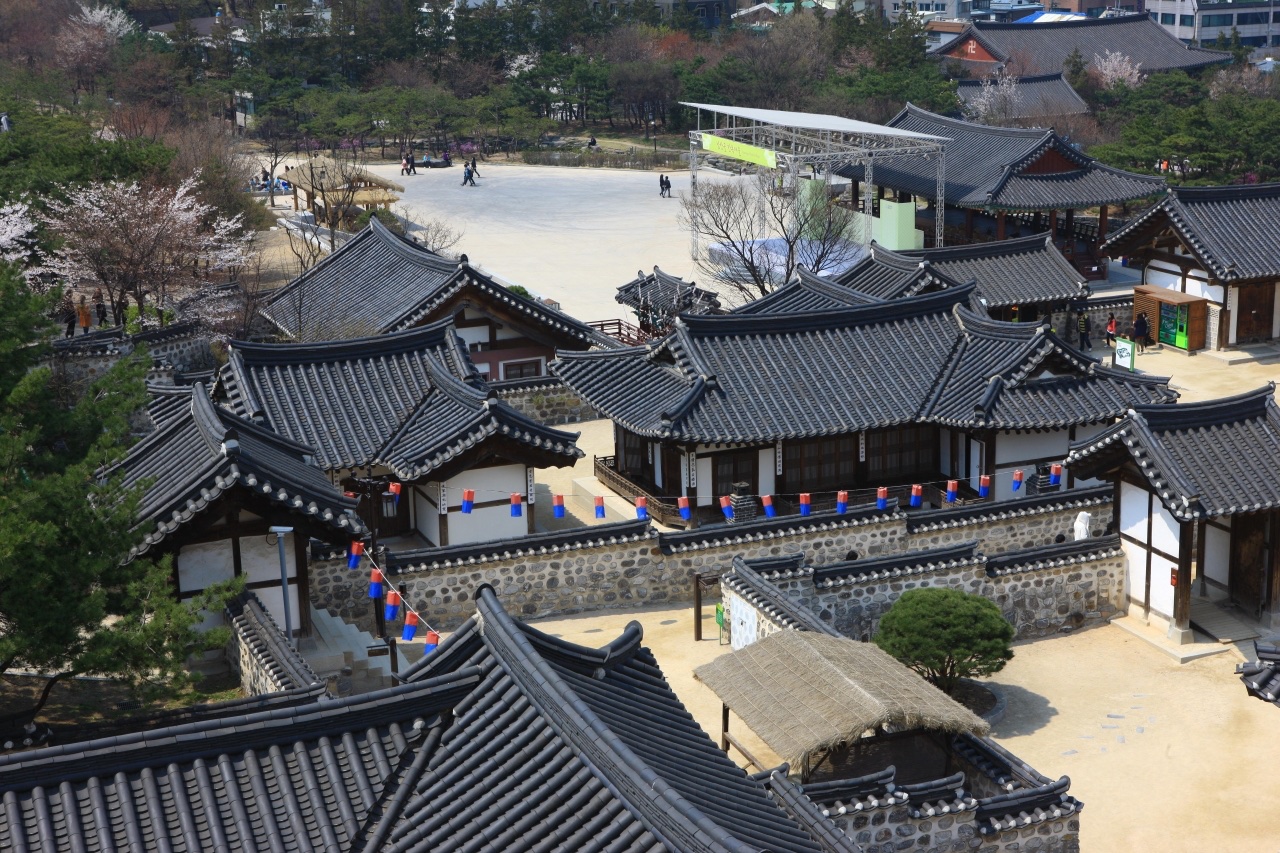

During Chuseok, Korea moves at several different speeds. Families travel, neighbourhood businesses set their own hours, and cultural venues follow their own holiday schedules. A good trip gives that rhythm some room.
September 24–26, 2026 is the official Chuseok holiday period. VISITKOREA notes that government offices and banks close, while many visitor attractions can operate. Individual businesses may also take several days away from their usual hours.
That makes the holiday a planning season with its own texture. Fix the one experience you would be disappointed to miss, place nearby options around it, and let the smaller decisions stay adjustable.
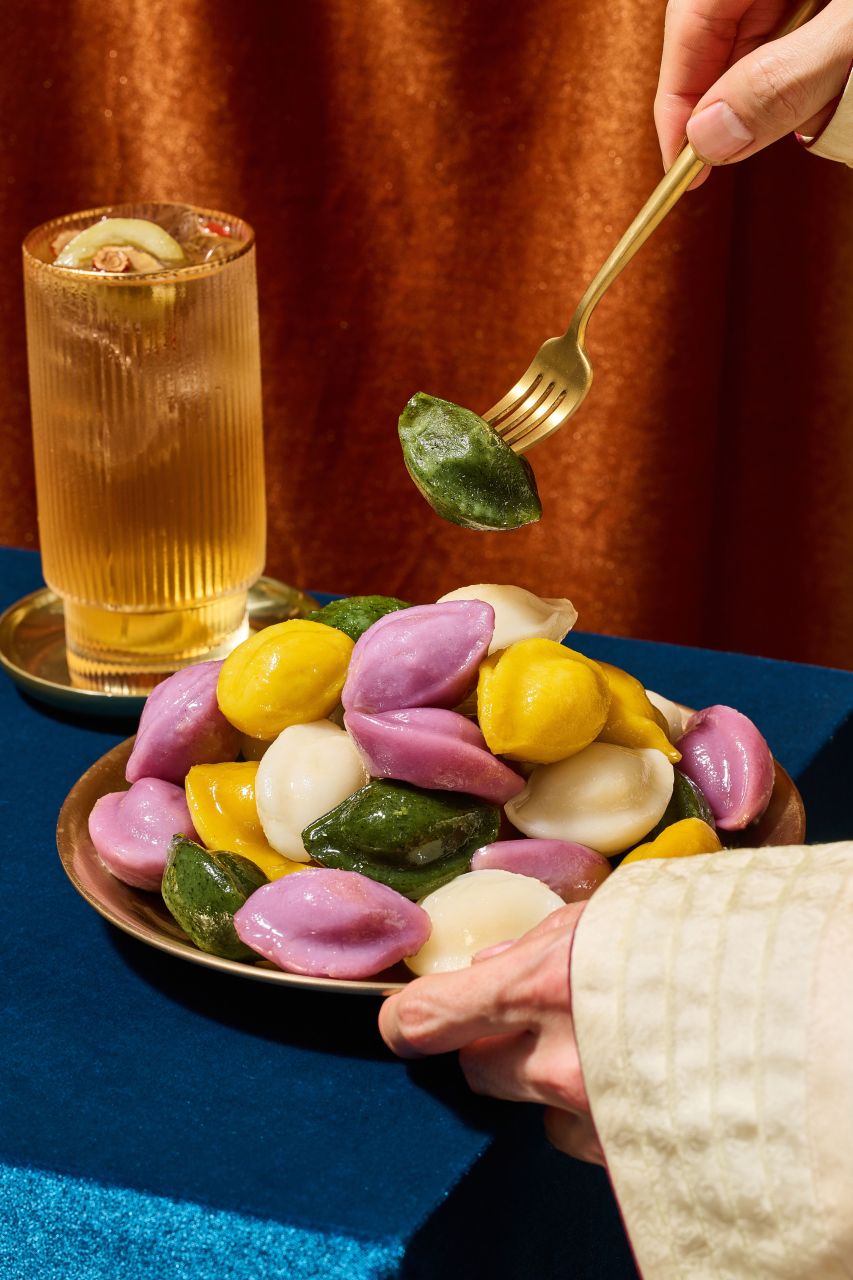
Songpyeon for Chuseok. Korea Tourism Organization TourAPI / 토라이 리퍼블릭.
| At a glance | What it means for a visitor |
|---|---|
| Holiday period | September 24–26, 2026 |
| The planning challenge | Intercity travel, small-business hours and cultural programmes may follow different holiday rhythms |
| The useful move | Choose one base, place long-distance travel outside the three days where possible, and check named places individually |
| A useful starting question | What is the one place or experience you would be most disappointed to miss? |
The holiday has its own pace
Chuseok falls on the fifteenth day of the eighth lunar month. It is a harvest holiday, and many families gather for food and ancestral memorial rites. Family travel, neighbourhood business hours and cultural venues each follow their own rhythm.
For an itinerary, that difference matters. A national museum, a neighbourhood restaurant and an intercity rail journey can keep different holiday hours. The National Palace Museum of Korea, for example, lists Chuseok Day among its closure days. Check the places that matter to you, then leave room for the rest of the day to unfold.
Choose an anchor for the day
For a short trip, the most forgiving Chuseok plan usually begins with a base rather than a checklist. A base gives you a nearby walk, a reliable meal option and a second choice of indoor or outdoor stop. It also keeps a last-minute change from becoming a day spent crossing the country.
| If your priority is… | Build the holiday around… | Keep flexible |
|---|---|---|
| A first visit to Seoul | One neighbourhood, one confirmed cultural stop and time to wander nearby | A second museum or restaurant reservation |
| A regional stay | A city where your accommodation and arrival route are already clear | The exact sequence of smaller attractions |
| A festival or family invitation | The fixed event first, then the closest workable base | A long list of secondary sightseeing |
| A multi-city trip | Travel before September 24 or after September 26 when possible | The number of cities you try to cover during the holiday |
Put your answer to “What would I most regret missing?” in the fixed column; let meals, walks and secondary stops do the supporting work.
Give the three days different jobs
A visitor can make the dates useful by separating what must happen from what can move.
| When | Make the fixed decision | Let the day remain open |
|---|---|---|
| Before the holiday | Confirm accommodation, the arrival route and one key place you would be disappointed to miss | Meals, walks and a second nearby stop |
| During September 24–26 | Use one pre-checked cultural place or neighbourhood plan as the anchor | The order of smaller stops and the length of each stay |
| After the holiday | Resume the longer rail or intercity part of the itinerary | A return visit to anything that was unavailable |
Find the place you want, then read its own current notice for the exact date.
Find a public invitation to the season
Learn why certain foods, full-moon imagery and harvest language appear so often in Korean culture, then choose a public programme with a named host and a clear date.
One current example comes just before the core holiday: Seoul Metropolitan Government lists Bukchon Dorak as a pre-holiday Chuseok cultural programme for September 19 and 20, with exhibitions, performances, hands-on activities, guided tours and traditional games. The official announcement carries the programme details and participation information.
Look for this kind of public cultural invitation: a named host, a date and a direct information route.
A five-minute check before you leave
Three questions are enough before you leave:
- Is the place open today?
- What is the last entry time or reservation status?
- Does the route still make sense from where I am now?
Keep the Korean name and address in your phone, and choose one nearby alternative. If a question remains unresolved, the 1330 Korea Travel Helpline is an official information route.
Chuseok can be one of the most memorable times to experience Korea when the schedule follows the holiday rhythm. You may see a city with fewer routine transactions and more visible signs of a major family holiday. A plan with one firm anchor and room to change lets that difference become part of the visit.
Official planning links
- VISITKOREA: 2026 public holidays
- VISITKOREA: Chuseok and other major Korean holidays
- Seoul Metropolitan Government: public hanok programmes
Dates and general guidance were checked on August 21, 2026. Check the operating information for your named venue and route close to departure.